
SEO Taxonomy Optimization During Website Transitions
Enterprise Website Revamp? Don't Sacrifice SEO: Mastering Taxonomy Optimization for B2B Success
Congratulations! Your enterprise website is undergoing a much-needed refresh. A sleek new design and improved functionality are crucial for staying competitive in the B2B landscape. But with website transitions, a critical concern often gets pushed aside: SEO. Disruptions to your carefully crafted SEO strategy can lead to a significant drop in organic traffic, impacting lead generation and brand awareness.
Table of Contents

What is Taxonomy Optimization and Why Does it Matter?
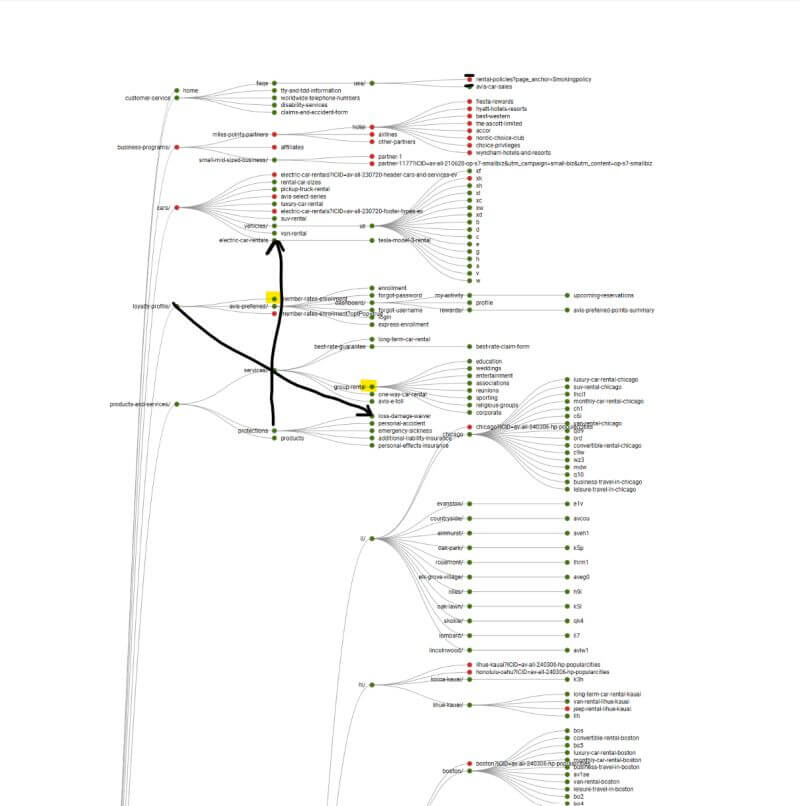
Think of your website’s taxonomy like a library’s filing system. It categorizes your content logically, making it easier for both users and search engines to find what they’re looking for. Here’s how a well-optimized taxonomy benefits SEO during a website transition:
- Improved Crawlability: Search engines like Google efficiently crawl websites with clear category structures. This ensures your valuable content gets indexed and displayed in search results.
- Enhanced User Experience: Clear category labels and a logical hierarchy make it easier for visitors to navigate your website. This improves user experience, a key SEO ranking factor.
- Targeted Keyword Integration: A well-structured taxonomy allows you to naturally integrate relevant keywords throughout your website. This helps search engines understand what topics you cover and improve your ranking potential for those keywords.
Mastering Taxonomy Optimization During Your Website Transition: Basic Steps
Here’s a roadmap to guide your SEO taxonomy optimization during your website revamp:
-
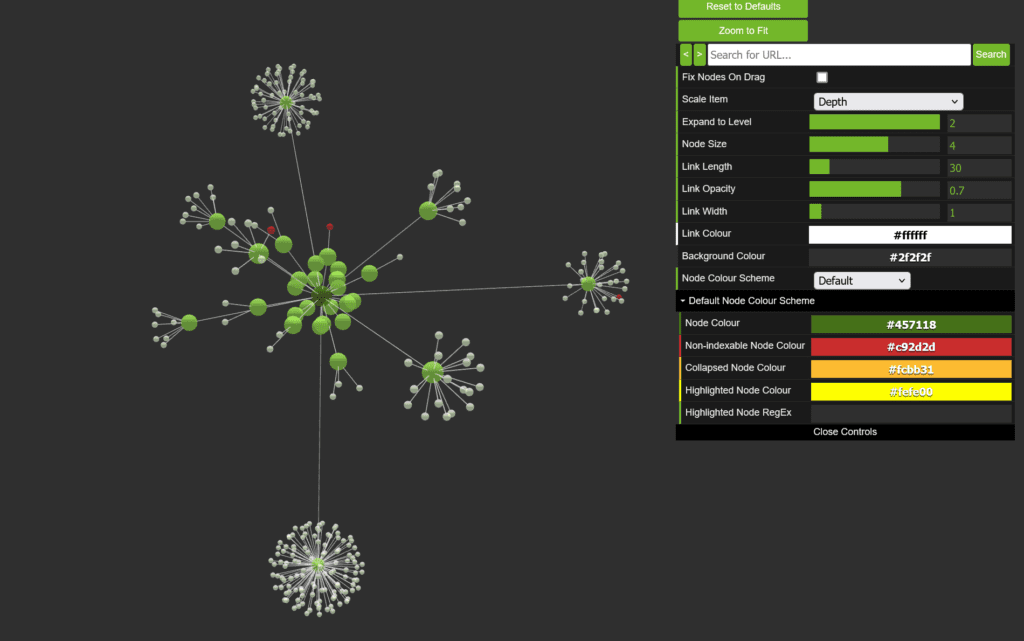
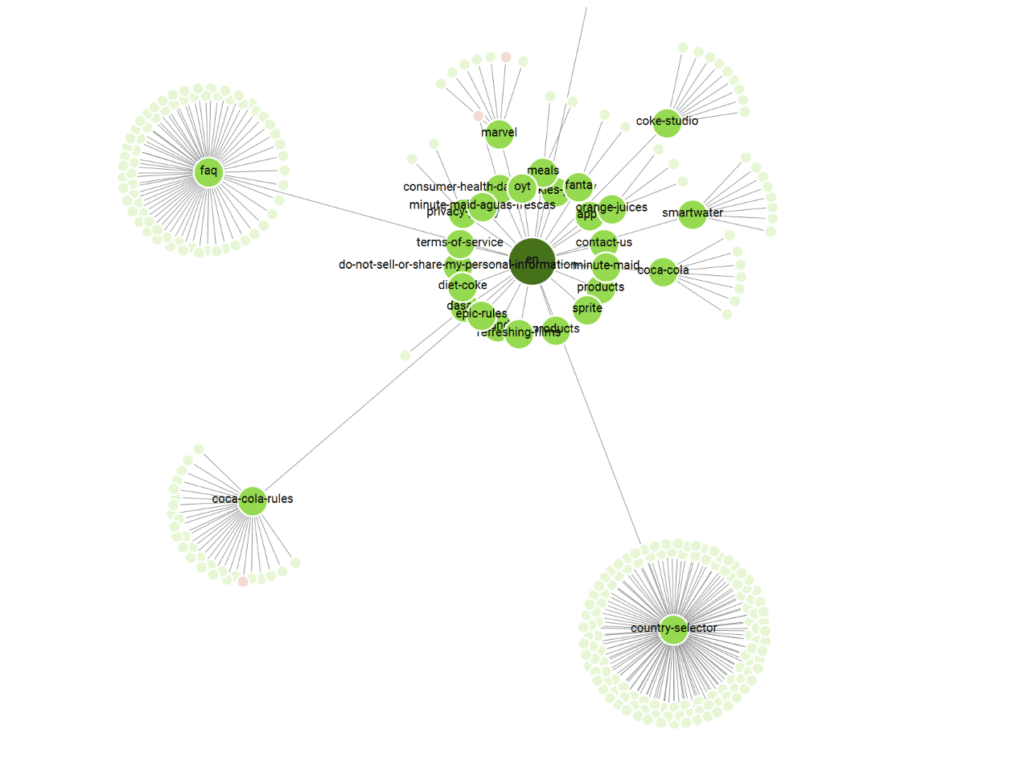
- Identify Taxonomy Issues: Analyze the data to identify problems like duplicate categories, orphaned pages (pages with no parent category), or poorly named categories.
- Plan Your New Taxonomy: Develop a new, well-defined taxonomy for your revamped website. Use insights from your existing structure and keyword research to create clear parent-child relationships and logical category names aligned with user search intent.
- Content Mapping and Migration: Map your existing content to the new taxonomy to ensure a smooth transition. Implement proper 301 redirects to avoid broken links and maintain SEO value.
- Monitor and Refine: After launch, monitor your website’s performance using SEO tools. Analyze crawl data and user behavior to identify areas for further taxonomy refinement.
Unlocking SEO Success with Expert Help
Optimizing your website’s taxonomy during a transition can be a complex process. Contact us today to discuss your specific needs. Our team of SEO specialists can help you navigate website transitions seamlessly, optimize your taxonomy for powerful search engine visibility, and ultimately drive more organic traffic to your website.
Don’t let your website makeover become an SEO setback. Contact us and turn your transition into a springboard for SEO success!